1. Learn the situation
The team learns who owns the home, which agency handled the animals and whether there is a deadline from a landlord or the city.
Lincoln, ME · Penobscot County
A landlord, a relative or a new owner often inherits the cleanup after animals are removed. In Lincoln, (877) 812-4220 is the number to ask about animal waste cleanup and ammonia odor removal.
If anyone is in danger, call 911 first. For a suicide crisis, call or text 988.
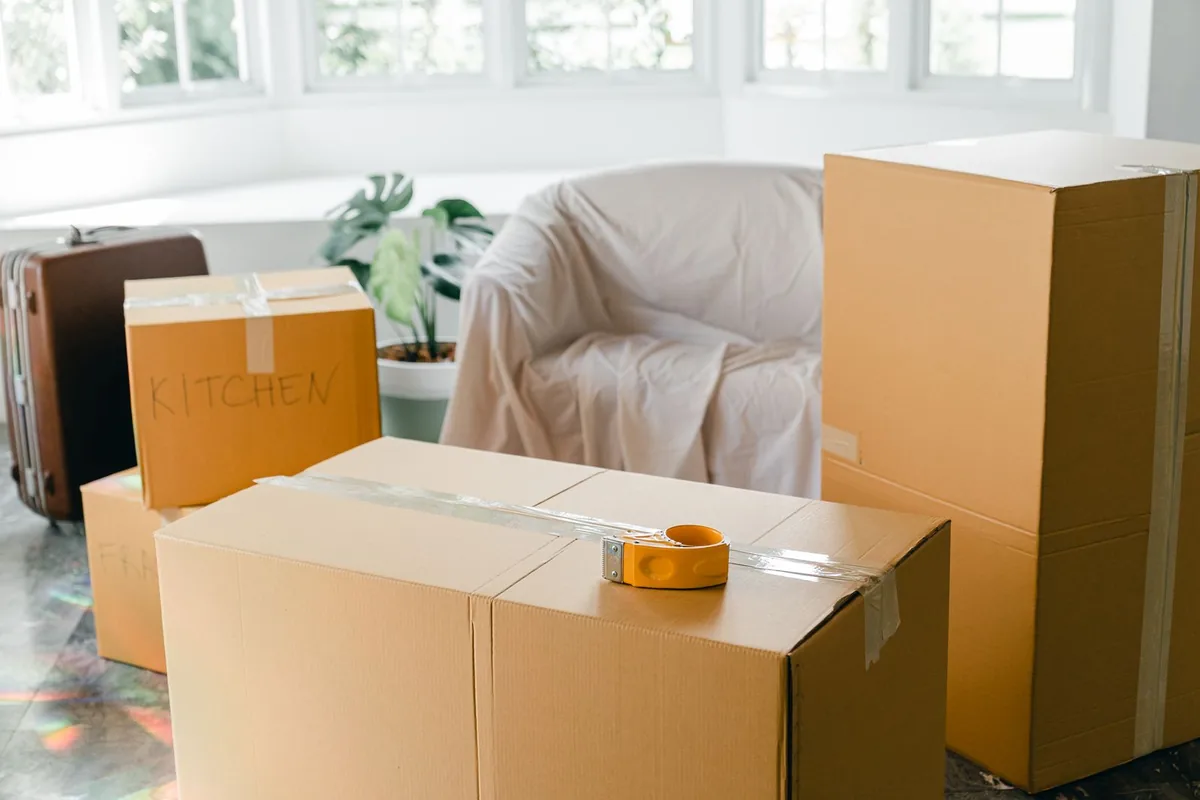
Animal hoarding cleanup is the removal of animal waste, soiled materials and odor from a home after too many animals were kept in it to be cared for well. It is also called animal hoarding clean up or animal hoarder cleanup.
Unsure how to clean after animal hoarding in Lincoln, ME? You can get help from Lincoln Biohazard Cleanup Help. The team does the heavy and hazardous parts and shares plain notes about damage, odor and what repairs may follow, for owners across Penobscot County.
Only about 14% of homes in Penobscot County are vacant, so most animal hoarding cleanups here involve a home that someone owns or rents and wants to restore. Lincoln sees about 44 inches of rain a year, and damp air and leaks make urine-soaked flooring and walls more prone to mold and odor.
The work often covers:
The team learns who owns the home, which agency handled the animals and whether there is a deadline from a landlord or the city.
Affected rooms are separated from clean ones, and hauling paths are planned. This keeps odor and dust from spreading.
Waste, bedding, crates and ruined items are bagged and sealed. Anything that may carry germs is handled with extra care.
Odor treatment follows cleaning, and the team notes any floors, walls or fixtures that need a builder. Pest control is recommended where needed.
Expect animal hoarding cleanup in Lincoln, ME to cost roughly $500 to $8,000, with the final price set after an on-site assessment.
The price of animal hoarding cleanup depends first on the size of the home and the number of rooms affected. A single room with soiled flooring is a smaller job than a full house.
| Type of job | Typical range |
|---|---|
| Biohazard handling inside a hoarded home | $1,500 - $5,000 |
| Animal waste cleanup | $500 - $5,000 |
| Animal waste disposal | $20 - $25 per 50 pound bag |
| Animal waste cleanup | $500 - $8,000 |
Figures are planning ranges from Biohazard cleanup company pricing guide, Lifecycle Transitions, Fixr, not a price for any specific Lincoln property. Price drivers include amount of animal waste, how long it built up, flooring and wall materials, odor treatment. Call (877) 812-4220 any hour.
Often yes. A lease and local housing rules usually let a landlord require a safe, sanitary unit. A tenant rights group or an attorney can explain what applies. A cleanup team can often work toward a deadline.
It varies widely. The size of the home, the amount of waste, soaked flooring, odor depth and pests all change the price. The cleanup team gives a real price after seeing the home. Be careful with any quote given sight unseen.
Urine and feces release ammonia, which irritates the eyes and lungs. Waste can carry bacteria and parasites, and some diseases pass between animals and people. Fleas, ticks, rodents, dust and mold add to the problem. Anyone who feels unwell after time in the home should see a doctor.
With kindness and without blame. Many people who kept too many animals loved them and wanted to help. Feelings run high after animals are removed, and support from a doctor or counselor can help.
Not always. If access can be arranged, the caller does not need to be on site. When the resident wants to be there, the crew welcomes it and works at a pace that suits them.
They are handled with care and disposed of properly, as local rules require. The cleanup team can explain how this is done and which agency to contact if needed.
Mention any landlord, city or sale deadline so the plan can fit it.
Call (877) 812-4220